Are Clear Aligners Worth It in the UK for Your Money?
If you have searched are clear aligners worth it UK, you are probably not looking for a glossy promise. You want to know whether the spend makes sense, what is included, and what could go wrong if the provider is too cheap, too vague or too hands off.
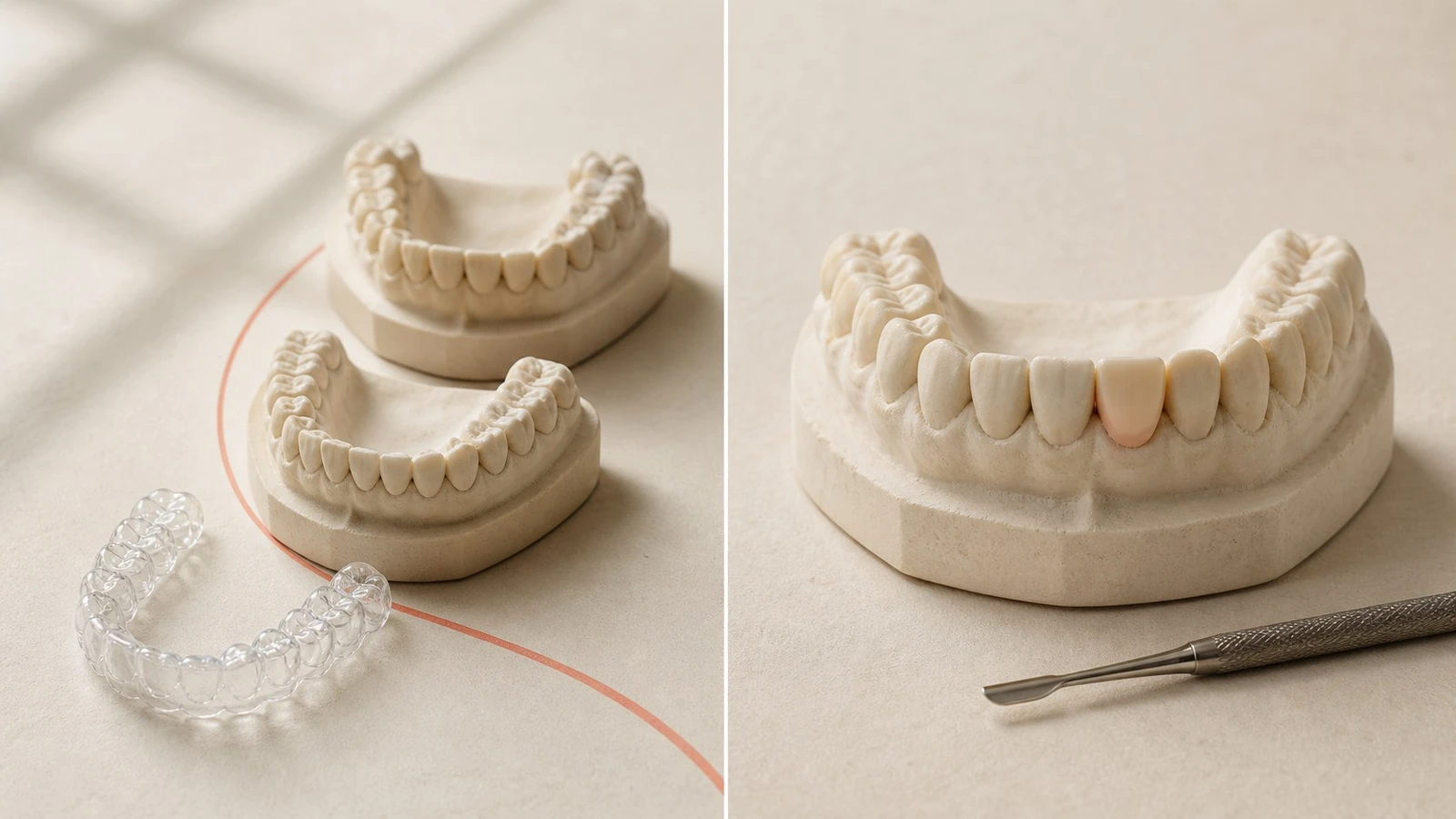
The short answer is that clear aligners can be worth it for adults with mild to moderate crowding, small gaps or relapse after previous orthodontic treatment. They are less visible than fixed braces, removable for eating, and usually easier to fit around work and social life. They are not magic plastic. They only work when the diagnosis, planning, fit, wear time and retention are handled properly.
For UK adults, the cost question matters because adult orthodontic treatment is usually private. The NHS says private orthodontic fees can range from £2,000 to £6,000, depending on complexity and appliance type. Smila treatment starts from £2,000, with a £200 scan and personalised treatment plan that you keep whether or not you go ahead. Retainers are included after treatment.
Quick answer: clear aligners are worth considering when your case is suitable, the price is transparent, and a qualified dental professional is responsible for your care.
Behind Smila is a team of clear aligner professionals with over a decade of experience and more than 1,000 cases handled collectively. Smila is not a dental clinic. It is an independent UK clear aligner brand, with every case supervised remotely by UK GDC registered dentists.
A useful way to judge value is to separate convenience from clinical safety. Fewer appointments can be a real benefit for busy adults, but only when the provider still gathers enough information, explains the limits and gives you a route to ask questions. Remote supervision should feel structured, not invisible.
What You Actually Pay for With Clear Aligners
The plastic trays are only the visible part of the fee. A sensible aligner price should cover assessment, digital planning, manufacturing, monitoring, refinements where appropriate, and retainers. If a quote looks much cheaper than the rest of the market, check what has been removed.
Also check whether the first plan is yours to keep. A clear 3D plan should show the proposed movement, the likely sequence and the assumptions behind the treatment. It should make the decision easier even if you decide not to proceed.
| Option | Typical UK position | Strength | Watch out for |
|---|---|---|---|
| Invisalign style clinic aligners | Often around £3,500 to £4,500 for many adult cases | In person checks and familiar brand | Higher fee, more appointments, retainers may cost extra |
| Smila | From £2,000 | Dentist supervised, EU CE marked trays, retainers included | Not suitable for every case |
| Cheaper home based aligners | Often marketed below clinic prices | Lower upfront price | Supervision, scans, refinements and aftercare vary |
| Fixed braces | Often used for more complex movement | Strong control for difficult bites | More visible, more clinic visits |
The General Dental Council’s guidance on direct to consumer orthodontics is useful here. It says clinical judgement about suitability should be based on a full assessment of oral health, and that direct interaction between patient and practitioner is essential for questions and informed consent. You can read the GDC guidance on direct to consumer orthodontics for the regulatory view.
Are clear aligners cheaper than Invisalign style treatment?
Usually, yes, but the comparison needs context. Invisalign is a brand of clear aligner treatment, not a different category of physics. The differences are often brand, lab route, pricing, appointment model and what is included. Smila uses EU CE marked trays and remote supervision by UK GDC registered dentists, with typically 0 to 2 in person appointments rather than the 6 to 10 that can come with traditional providers.
How long does treatment take?
Smila cases average 4 to 10 months, but treatment time depends on biology, case complexity, wear time and whether refinements are needed. Any provider promising a fixed finish date before proper assessment is oversimplifying.
When Clear Aligners Are Worth It in the UK, and When They Are Not
Clear aligners tend to suit adults who can wear them consistently and whose teeth need movements that trays can predictably control. The British Orthodontic Society says aligners are commonly used for mild to moderate irregularity, mild spacing and some crowding, following proper assessment and discussion of options. Its patient information on clear aligners also makes clear that retainers are needed after treatment.
They may not be right for severe crowding, complex bite problems, jaw discrepancies, cases needing extractions, or children whose teeth and jaws are still developing. Fixed braces, specialist orthodontic care or a different treatment route may be better in those situations.
Smila declines roughly one in ten enquiries when aligners are not the right treatment. That matters. A provider who says yes to every case is not being more convenient. They may simply be avoiding the harder conversation.
Wear time is another honest filter. Clear aligners are removable, which is a benefit, but that also means the patient has more responsibility. If trays are left out for long meals, coffees or evenings out, teeth may not track as planned and treatment can become less predictable.
FAQ: are clear aligners painful?
They can feel tight or tender, especially when changing trays. That pressure is expected, but sharp pain, gum problems or a tray that does not fit should be reviewed by the clinical team.
FAQ: do clear aligners work for everyone?
No. They work best when the case is suitable, the plan is realistic and the aligners are worn as instructed. Some people need fixed braces or specialist care instead.
How to Compare Providers Without Being Sold a Dream
A safe comparison starts with responsibility. The Care Quality Commission says direct to consumer aligner services should have a GDC registered dentist responsible for assessing, diagnosing, prescribing and supervising treatment, and that patients should receive information about risks, benefits, alternatives and costs before treatment starts. The CQC direct to consumer orthodontics guidance is a useful checklist for what serious providers should have in place.
A practical provider comparison should also include aftercare. Teeth can move after active treatment, so retainers are not an optional luxury. They are part of keeping the planned position stable over time, although the exact routine should come from the clinical team.
Ask five plain questions before paying:
- Who is clinically responsible for my treatment?
- What assessment is needed before a plan is approved?
- What happens if my teeth do not track as expected?
- Are retainers included, and how long should I wear them?
- In what situations would you tell me not to use aligners?
The cheapest option is not automatically unsafe, and the most expensive option is not automatically best. Value comes from the fit between your case, the clinical oversight, the manufacturing quality, the monitoring process and the aftercare.
Red flags are simple: no clear clinician responsibility, no proper assessment route, no explanation of alternatives, no retention plan, vague pricing or a promise that sounds too neat for real biology. Good aligner care is usually calm and specific. It should tell you what might happen, not pretend every smile follows the same script.
So, are clear aligners worth it in the UK? In many suitable adult cases, yes. They can be a practical middle ground between traditional clinic treatment and low cost mail order options. The sensible next step is not to chase a promise. It is to get an assessment, understand the plan, and choose the provider who is clearest about both the benefits and the limits.