Are Online Clear Aligners Safe in the UK? Start With This Test
If you have searched “are online clear aligners safe UK”, the honest answer is: sometimes, but only when the remote part sits on top of proper clinical checks. The risk is not the internet itself. The risk is starting tooth movement without enough information about your teeth, gums, bite, medical history and who is responsible if something feels wrong.
The General Dental Council guidance for patients is a useful starting point because it does not treat remote aligners as automatically bad or automatically fine. It says new ways of delivering care can improve access and cost, but patient safety still matters.
For UK adults, the safest mindset is simple: remote clear aligners should feel like supervised dental treatment delivered conveniently, not like buying a cosmetic product online. You should know who is assessing your case, what records they are using, how suitability is decided and what happens if the plan needs to change.
Smila is built around that distinction. Smila is an independent UK clear aligner brand, not a clinic. Every case is supervised remotely by UK GDC-registered dentists, and unsuitable cases are declined rather than pushed through. The free initial consultation is there to screen fit before you pay for the next stage.
Quick answer
Online clear aligners can be appropriate in the UK for mild to moderate alignment concerns when there is dentist supervision, a proper clinical assessment, good scan or impression records and a clear route for questions or escalation. They are not suitable for every bite, gum condition or complex movement.
When Remote Clear Aligners Are Safe Enough to Consider
A safe remote model has more in common with a well-run clinical pathway than with a mail order shortcut. The provider should collect enough information for a UK GDC-registered dentist to decide whether aligners are appropriate, explain the limits of remote monitoring and set out the costs before treatment starts.
The Care Quality Commission says the planning and diagnosis linked to orthodontic aligners can be regulated activity, including cases started with an intraoral scan or patient impressions. Its provider guidance says a GDC-registered dentist should be responsible for assessing, diagnosing, prescribing and supervising aligner treatment, and that patients should receive information on risks, benefits, alternatives and costs before treatment is provided through CQC guidance on direct to consumer orthodontics.
| Safety question | What a reassuring answer sounds like |
|---|---|
| Who supervises treatment? | A UK GDC-registered dentist reviews and supervises the case. |
| How is suitability checked? | Oral health, bite, crowding, gum risk and records are reviewed before approval. |
| What records are used? | A good quality 3D scan or accurate impressions, plus photos and health information where needed. |
| What happens if tracking is poor? | There is a clear review route, refinements process or referral advice. |
| What is included in the price? | Scan, plan, aligners, retainers, refinements and exclusions are explained clearly. |
A 3D scan is usually a stronger starting point than a rushed home impression because it reduces guesswork and gives the clinical team a clearer digital record. Smila uses a £200 3D scan and personalised treatment plan after the free initial consultation. You keep the plan whether or not you decide to go ahead.
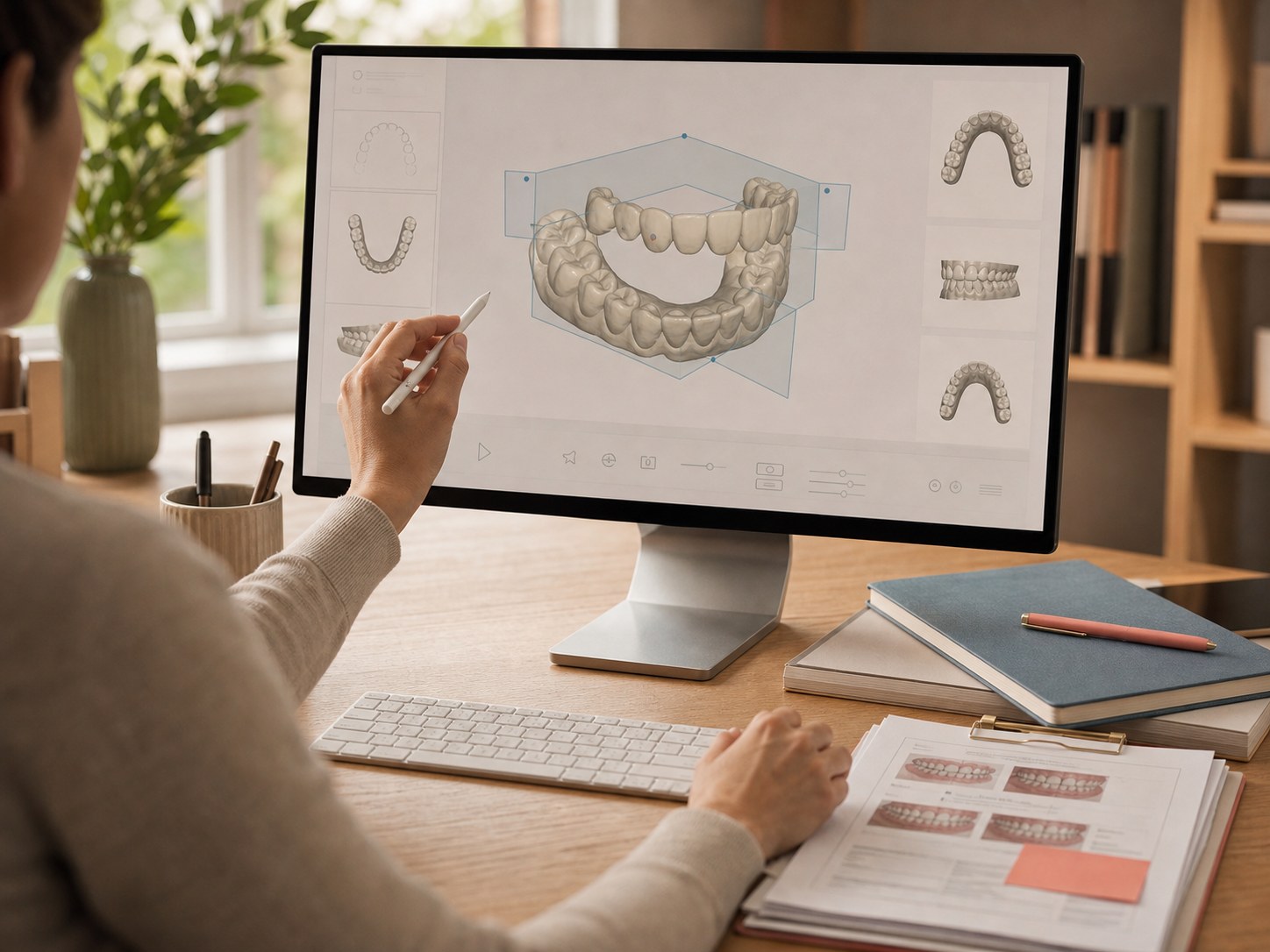
Pricing should also be plain. Smila treatment starts from £2,000, with CE-marked trays manufactured in an EU medical lab and retainers included after treatment. Typical treatment ranges from 4 to 10 months, but timing varies by case, wear time and how teeth respond.
Quick answer
A remote aligner provider is safer to consider when a dentist can say no before treatment starts, when the records are good enough to plan from, and when the fee explains what is included rather than saving surprises for later.
Safety Checks Before You Pay for Online Aligners
The biggest red flag is not a low price on its own. It is a low price paired with vague clinical responsibility. Before paying, check that the provider can explain the clinical pathway in plain English. If the answer is mostly brand language, pause.
Start with oral health. Moving teeth when gums are inflamed, decay is untreated or the bite needs a more complex approach can create problems. The NHS explains that a dental check-up lets a dentist examine your teeth, gums and mouth, and helps identify problems early through NHS dental check-up guidance.
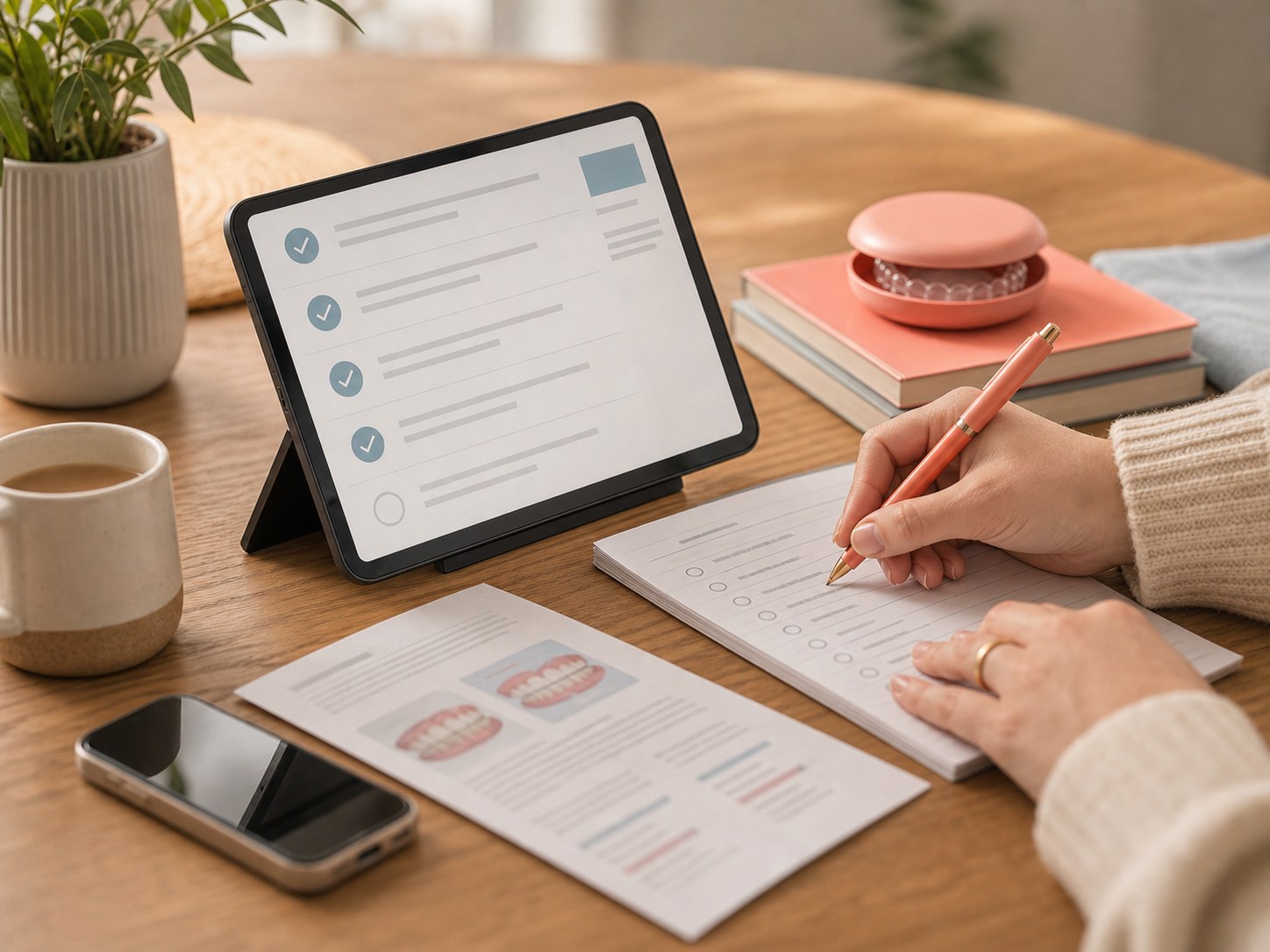
Use this checklist before you start:
- Can you confirm a UK GDC-registered dentist supervises treatment?
- Is there a real suitability screen before you commit?
- Are you asked about dental history, gum health and current symptoms?
- Is the scan or impression process quality checked before trays are made?
- Are limitations, risks, alternatives and likely refinements explained?
- Do you know how to ask for help if trays do not fit or pain feels unusual?
- Are retainers included, and is retention explained before treatment starts?
- Is the total price clear, including what happens if you need extra steps?
Smila is deliberately cautious here. Around one in ten enquiries is declined because aligners are not the right route. That may feel inconvenient, but it is a sign of a better safety culture. A provider that says yes to every case is not screening, it is selling.
Quick answer
Before starting online aligners, check dentist supervision, scan quality, oral health screening, escalation routes, retainers, refinements and total pricing. If you cannot get clear answers before paying, keep looking.
FAQ: Choosing Online Aligners Without Guesswork
Are online clear aligners safe UK consumers can trust?
They can be safe enough to consider when they are planned and supervised by UK GDC-registered dentists and when the provider has enough information to assess oral health and suitability. They are not a substitute for clinical judgement.
Who should avoid remote aligners?
Remote aligners may not be appropriate for severe crowding, complex bite problems, active gum disease, untreated decay, certain jaw issues or cases needing fixed braces or in-person orthodontic care. Individual suitability needs assessment.
The reason gum checks matter is practical. GOV.UK periodontal guidance describes screening tools such as the Basic Periodontal Examination for assessing gum health, and notes that early detection and treatment of periodontitis improves the chance of keeping teeth through Delivering Better Oral Health periodontal guidance.

What makes Smila different from basic mail order aligners?
Smila is an independent UK clear aligner brand, not a clinic, and treatment is remotely supervised by UK GDC-registered dentists. It offers a free initial consultation, a £200 3D scan and personalised plan, CE-marked trays made in an EU medical lab, retainers included and a clinically honest screening process.
Is a cheaper clear aligner option always riskier?
No. Price alone does not tell you whether a pathway is safe. What matters is whether the provider has real clinical supervision, strong records, transparent pricing and the willingness to decline unsuitable cases. Cheap without clinical accountability is the danger.
If you are comparing providers, ask the boring questions first. Who is supervising? What records are reviewed? What is included? What happens if treatment does not track as expected? The answers will tell you far more than a discount countdown.