Clear aligners for adults UK after 30: why it now feels normal
Clear aligners for adults UK searches often start with a very private thought. Your teeth have shifted since braces. A small overlap is more obvious on video calls. Or you have reached your thirties and want straighter teeth without making it a public project.
Adult teeth straightening has become normal because the motivation has changed. Many people are not chasing a dramatic makeover. They want a calmer version of the smile they already have, with treatment that fits around work, parenting, travel and social life.
That shift is important. Adults tend to ask different questions from teenagers. They want to know whether the change will be subtle, whether treatment will interrupt meals or meetings, whether the price is clear and whether someone qualified is checking the plan. The best adult aligner content should answer those questions without pretending every case is simple.
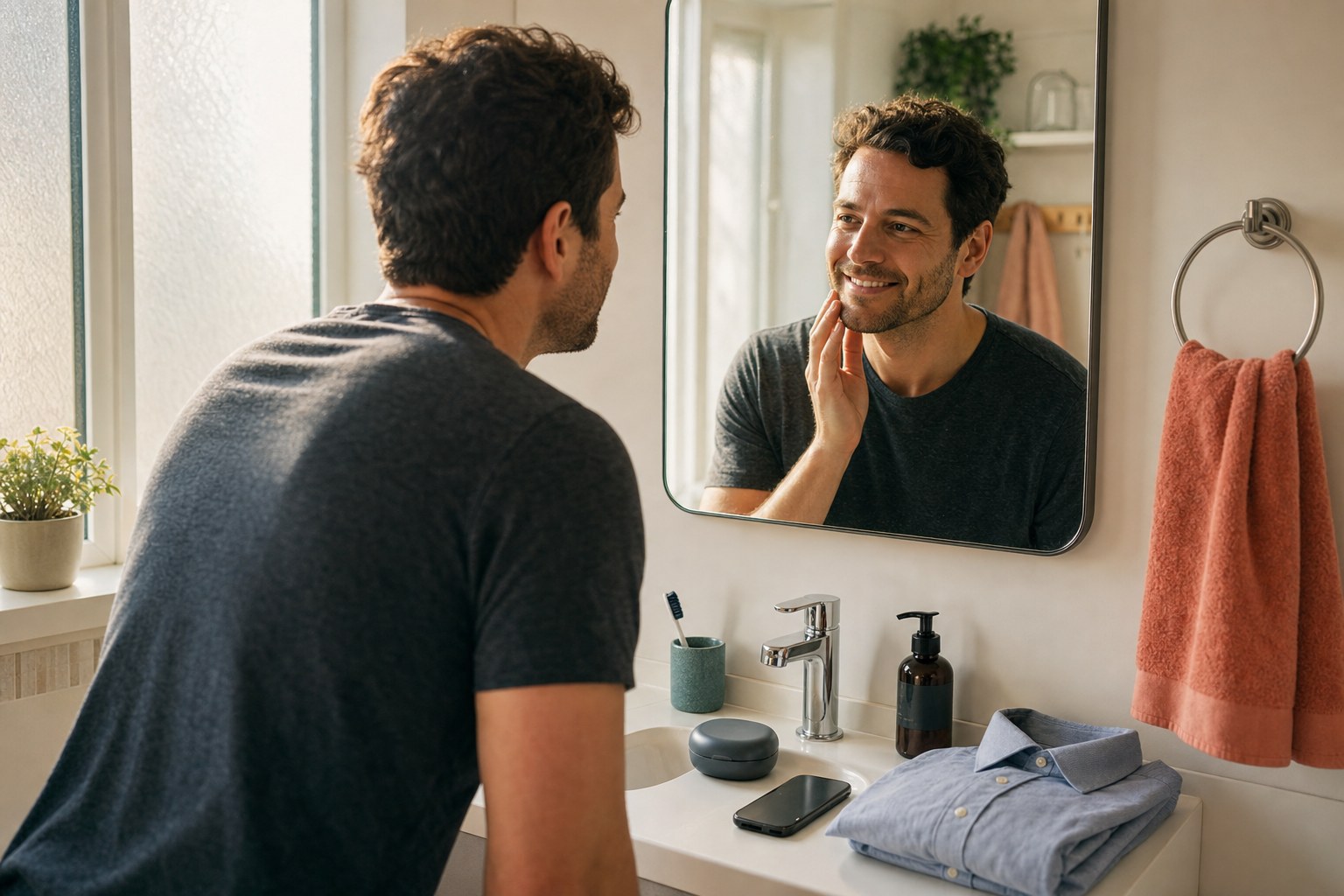
The NHS says orthodontic treatment for adults can begin at any age, although it also notes that most adults have private treatment. That is the practical backdrop for clear aligners for adults UK research. People want to know whether discreet treatment is realistic, what it costs and whether their case is suitable before they spend money on a scan.
Smila fits this adult use case by keeping the pathway deliberately low fuss. The initial online assessment is free. If it looks worth exploring, the 3D scan and personalised treatment plan costs £200, and you keep the plan whether or not you go ahead. Treatment starts from £2,000 for suitable cases, with retainers included after treatment.
How clear aligners for adults UK fit real life
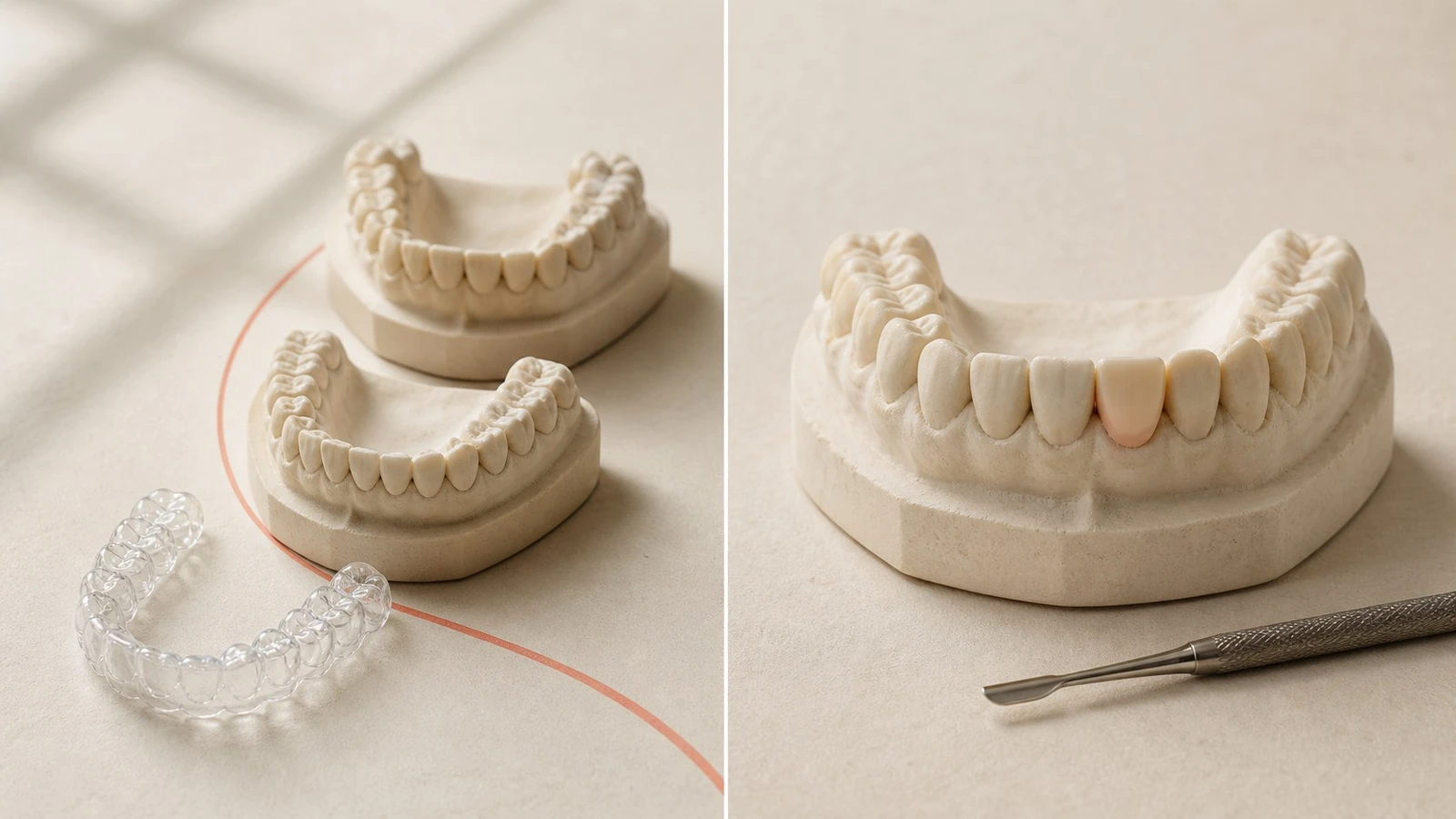
Clear aligners are thin, removable trays that move teeth in planned stages. For adults, the appeal is not only that they are discreet. It is that they do not ask you to build your week around a visible fixed appliance.
The biggest lifestyle difference is removability. You take aligners out to eat and drink anything other than water, then clean your teeth before putting them back in. That rhythm takes discipline, but it also means no bracket food rules and fewer visible changes to your day to day appearance.
The British Orthodontic Society explains that clear removable aligners are generally used for mild to moderate orthodontic problems after a proper assessment and discussion of options. That is the honest centre of the category. Aligners can be a good fit for many adults with mild crowding, spacing, small rotations or relapse after previous braces. They are not the best answer for every bite.
| Adult priority | Clear aligners may help | What to check first |
|---|---|---|
| Discretion at work | Trays are clear and removable | Whether attachments or extra steps are needed |
| Busy schedule | Remote check ins can reduce travel | Who supervises treatment and how reviews work |
| Previous braces relapse | Mild shifting can often be assessed | Whether retainers will be included afterwards |
| Budget control | Pricing can be clearer than repeated visits | Scan fees, refinements and retainers |
| Complex bite concerns | Some cases may still be suitable | Whether in person orthodontic care is safer |
That table matters because adult orthodontics is full of trade offs. Convenience is useful only when the clinical route still makes sense. A remote model can reduce appointments, but it should still include professional oversight, clear escalation and the willingness to say no.
Smila is an independent UK clear aligner brand, not a dental clinic. Cases are supervised remotely by UK GDC registered dentists, with typically 0 to 2 in person appointments depending on the case. That makes it a convenient option for suitable adults who want the structure of clinical oversight without 6 to 10 routine clinic visits.
Affordability also matters. Smila starts from £2,000, which positions it as one of the most affordable clear aligner options available in the UK today while still including dentist supervision, CE marked trays made in an EU medical lab and aftercare retainers. That does not make it right for every case. It makes the value easier to judge.
The remote element is best understood as a different service design, not a shortcut around care. For the right case, fewer visits can remove friction. For a complex case, more face to face assessment may be exactly what is needed. A trustworthy provider should be comfortable explaining both possibilities.
Relapse after braces and the quiet adult reset
A large part of adult aligner interest comes from people who already had orthodontic treatment years ago. Teeth can move after braces, especially if retainers were lost, worn inconsistently or stopped too soon. The shift might be small, but it can feel frustrating because you have already done the hard part once.
This is where clear aligners can feel emotionally different from teenage braces. You are not starting from scratch. You are correcting a change that crept in slowly, often one front tooth, one gap or one crowded edge at a time.
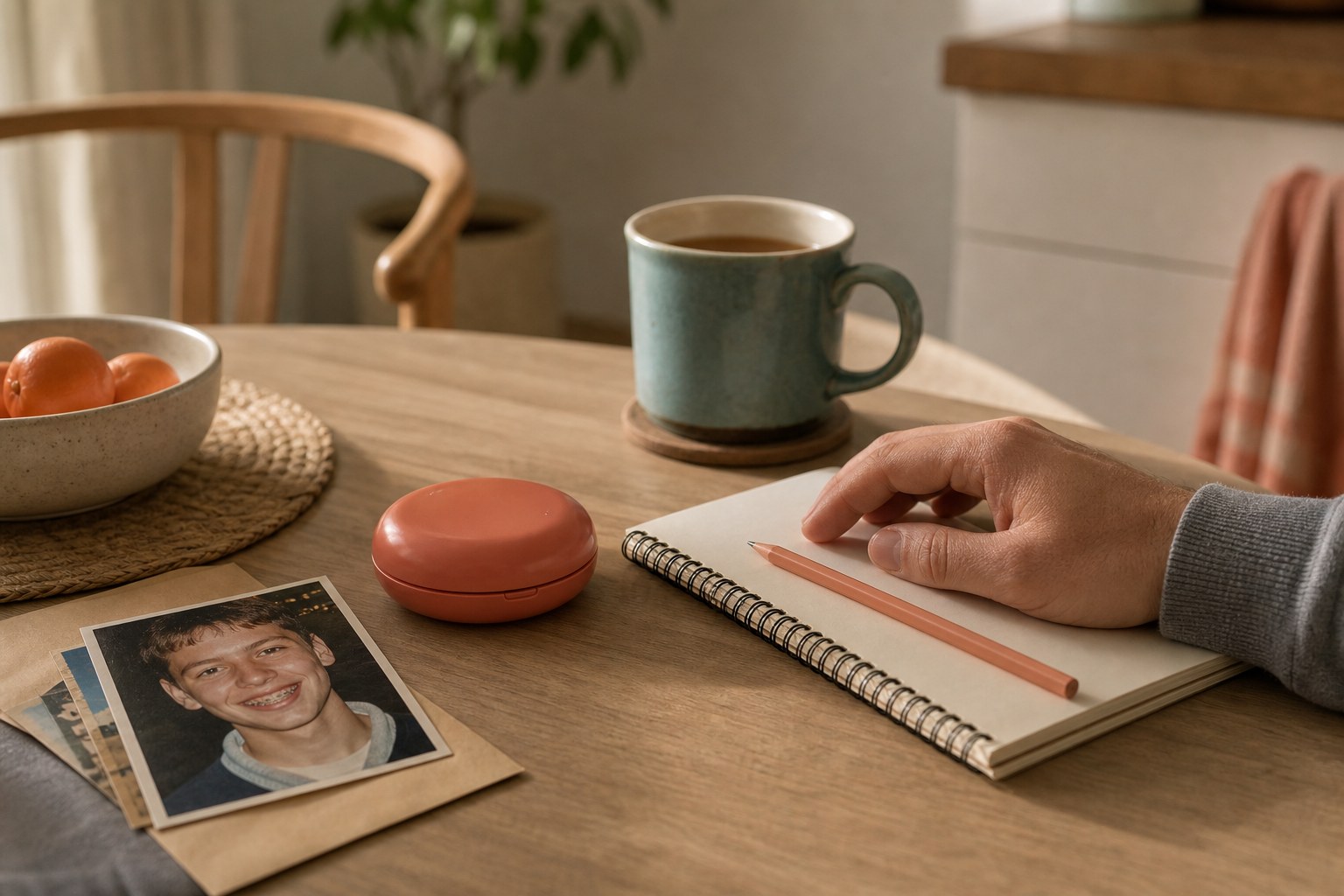
Retainers are the unsentimental part of the story. The NHS notes that after orthodontic treatment, a retaining brace is usually needed to keep teeth in their new position. That is why adults comparing providers should ask about aftercare before they ask about discounts.
Smila includes retainers after treatment, which helps keep the total price clearer. It also declines roughly one in ten enquiries when aligners are not the right treatment. That matters because an unsuitable aligner plan is not better value just because it is cheaper or more convenient.
Remote clear aligners also need honest expectations. Treatment commonly involves wearing trays for most of the day, keeping them clean, sending progress updates and following the plan closely. In many cases Smila treatment runs for 4 to 10 months, but timing varies with the starting position, complexity and wear consistency.
What to consider before choosing adult teeth straightening
Before starting, separate three questions. First, what bothers you in plain language? Second, is the movement mild to moderate enough for aligners? Third, does the provider explain cost, supervision and aftercare clearly before you commit?
It also helps to decide what success would mean in ordinary words. For one adult it may be closing a small gap that has reopened. For another, it may be reducing mild crowding that catches the eye in photographs. Those goals are reasonable to explore, but they still need a clinical view of teeth, bite, gum health and long term retention.
The General Dental Council says remote orthodontic services using clear aligners fall within dentistry and should not compromise patient safety. It also says some parts of the care pathway may need a face to face interaction or physical clinical assessment. That is useful guidance for adults comparing remote and in person options.
Look for clear answers to these questions:
- Who reviews the case?
- What happens if aligners are not suitable?
- Is the scan separate from the treatment price?
- Are retainers included?
- How many appointments are typically needed?
- What support is available if something does not feel right?

For many adults, clear aligners for adults UK research leads to a simple conclusion. If the case is suitable, discreet treatment can fit around real life and cost less than many traditional routes. If the case is complex, an in person orthodontic pathway may be the better choice.
Smila is built for the first group: adults with suitable mild to moderate alignment concerns who want clear pricing, remote supervision by UK GDC registered dentists and a quieter way to straighten their teeth. The sensible next step is not to guess. It is to start with an assessment, see what is realistic, then decide with the full plan in front of you.