Begin with the problem you want fixed
When you look at your teeth and wonder whether to change their position or their shape, start with the problem you can see. A tooth that sits out of line is a position problem. A tooth that is chipped, short, worn or uneven is usually a shape problem. Sometimes both are involved, and a bite or jaw concern can change the answer completely.
An oral health, bite and suitability assessment comes first. Active decay, gum disease or other concerns may need attention before cosmetic or orthodontic treatment. Your provider should confirm what can be treated safely and how your bite will be affected.

Use this simple decision tree:
- If teeth are crowded or spaced because they are in the wrong position, clear aligners gradually move them. They commonly suit many mild to moderate crowding and spacing cases. Read the British Orthodontic Society guidance.
- If the issue is mainly tooth shape, composite bonding adds resin. It can reshape edges, repair small chips, soften worn edges and, in selected cases, camouflage a small gap. It does not move teeth or correct the underlying position.
- If position and shape both matter, alignment may come first, with bonding considered afterwards. Treating shape alone can leave the bite or spacing issue unresolved.
- If crowding is severe, extractions may be needed, movements are complex, or the jaws do not line up, aligners alone may not be enough. Other orthodontic techniques or an in-person assessment may be appropriate.
The safest choice follows the cause, not just the appearance. A small gap may look different after bonding, but the teeth remain where they started. No treatment should be promised without checking your oral health, bite and suitability first.
Map the sequence and the full 2026 cost
Every route starts with an assessment. A dentist considers tooth position, bite, gums, restorations and the desired result before choosing a pathway. A scan and photographs may form part of the diagnostics. A price that starts before these checks may not be comparable.
Aligners only change tooth position through removable trays. They may suit crowding, spacing or rotation. Bonding only adds tooth-coloured composite to change an edge, small chip or proportion when tooth position is suitable. It does not move teeth. A combined pathway addresses both. When both are suitable, alignment often precedes optional bonding, so the shape is designed around the new position. That sequence is common, not universal. Assessment may support bonding first, bonding alone or no cosmetic addition.
| Concern | What changes | Likely sequence | Cost question |
|---|---|---|---|
| Crowding or rotation | Tooth position | Assessment, aligners, retention | Are diagnostics, monitoring, refinements and retainers included? |
| A chipped or uneven edge | Tooth shape | Assessment, bonding only, review | Is the price per tooth, and what do repairs cost? |
| Gaps with uneven proportions | Position and visible shape | Assessment, aligners or bonding, then review | Is each option priced separately? |
| Position and edge concerns | Position then shape, if needed | Often aligners then optional bonding, but not always | Is the combined plan staged and itemised? |
| Lost or damaged appliances | Ongoing fit and retention | Replacement tray or retainer, repair as needed | What are the replacement, repair and finance totals? |
Smila example: £2,000 treatment + £200 scan and personalised plan = £2,200, with retainers included. This shows how a package can be presented, not an individual recommendation. The final pathway and fee depend on assessment. Smila is an independent UK clear aligner brand, not a dental clinic, with remote supervision by UK GDC-registered dentists.
A dated provider example shows why combined costs need context. On 12 August 2026, a published provider price list listed composite edge bonding at £290 per tooth. Four teeth would be £1,160. Added to Smila’s example, the illustrative combined total is £3,360 before other care. This is one provider example, not a national average or universal quote, and does not mean both services would come from the same provider.
Ask whether diagnostics, check-ins, refinements, replacement trays, retainers and repairs are included or charged separately. Finance changes the comparison: check the deposit, interest, fees, term and total repayable, rather than relying on a monthly figure. A written quote should show what happens when treatment needs monitoring or adjustment.
Check the care model before you commit
Before choosing an aligner plan, find out who is responsible for your care. A remote service supervised by a dentist is different from unsupervised mail order trays. With professional supervision, a UK dentist registered with the General Dental Council (GDC) assesses your teeth and gums, decides whether aligners are suitable, prescribes the treatment and reviews your progress. You should know how to contact that clinician when something changes.

Mail order trays may be supplied without an oral health assessment or an ongoing clinician review. That matters because moving teeth is not the same as checking for decay, gum disease, enamel damage or a bite problem.
Remote monitoring can reduce travel and fit around work, but it does not remove the need for assessment. You may still need an in-person appointment, treatment for a problem or a different option altogether. The GDC guidance for remote aligner care explains what patients should look for.
Smila is an independent UK clear aligner brand, not a clinic. Its model typically involves 0 to 2 in-person appointments, with supervision from a UK dentist registered with the GDC through remote reviews. Ask before you start:
- What clinical records will you collect, and who assesses my oral health?
- How often will progress be checked, and what happens if my teeth are not tracking?
- Can I contact the supervising clinician directly, rather than a support team?
- What is the escalation route if I have pain, swelling or a broken tray?
- What alternatives will you discuss if aligners are not suitable?
During active treatment, wear aligners as instructed. Remove them for meals, then clean your teeth and the trays before putting them back. Follow the care instructions and report concerns.
Protect the result and decide what comes next
Finishing tooth movement is not the end of the plan. Retainers are normally needed long term after tooth movement to reduce relapse, because teeth can drift towards their previous positions. The British Orthodontic Society’s retainer guidance explains why wearing and caring for them matters. Included retainers need cleaning, safe storage and regular use. They can crack, loosen or be lost, so replacement may eventually be needed and may not be covered.
Bonding is different. Composite resin can make small changes to shape, length or edge appearance without moving the tooth. It can chip, stain or wear. Its lifespan varies with your bite, habits, hygiene and tooth health. Polishing, repair or replacement may be needed.
Aligners alone may suit teeth that need moving when enamel and gum health support planned movement. Bonding alone may suit a minor shape change when alignment is acceptable. Both can help when teeth need moving and edges or proportions need refining. When both are appropriate, alignment often comes first so bonding follows the final position, although a clinician may recommend another sequence.
Before choosing, ask about:
- total cost, payment terms and exclusions
- scans, refinements, lost trays and damaged trays
- clinical supervision and progress reviews
- maintenance, repairs and replacement costs for bonding and retainers
- alternatives if aligners, bonding or both are unsuitable
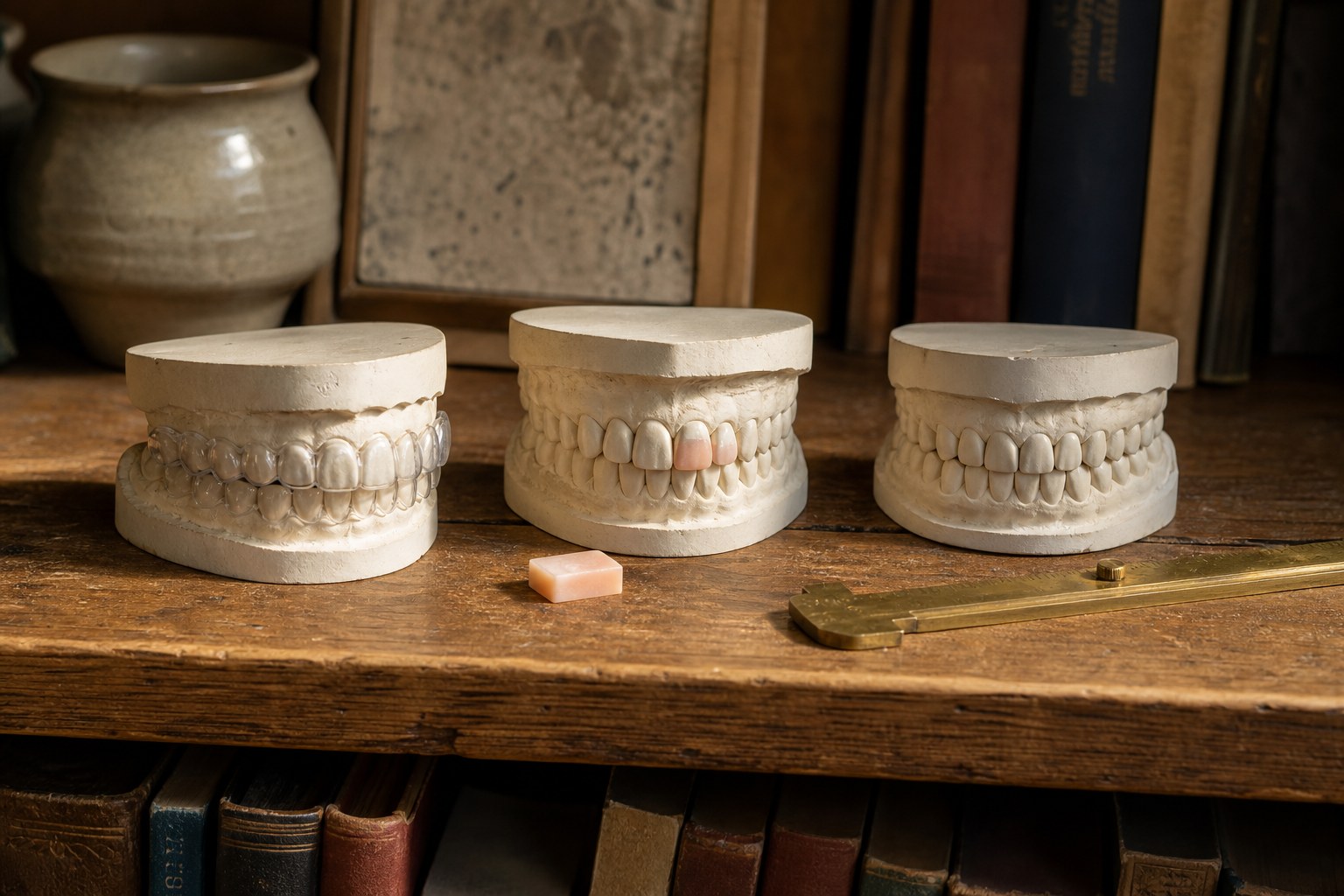
For a calm starting point, Smila offers a free initial assessment. A £200 3D scan and personalised treatment plan are yours to keep regardless of whether you proceed. Treatment starts from £2,000, with retainers included. The typical average is 4 to 10 months, but timelines vary. Roughly one in ten enquiries are declined when aligners are unsuitable. Ask questions first and decide in your own time.