Clear braces for adults are not all the same
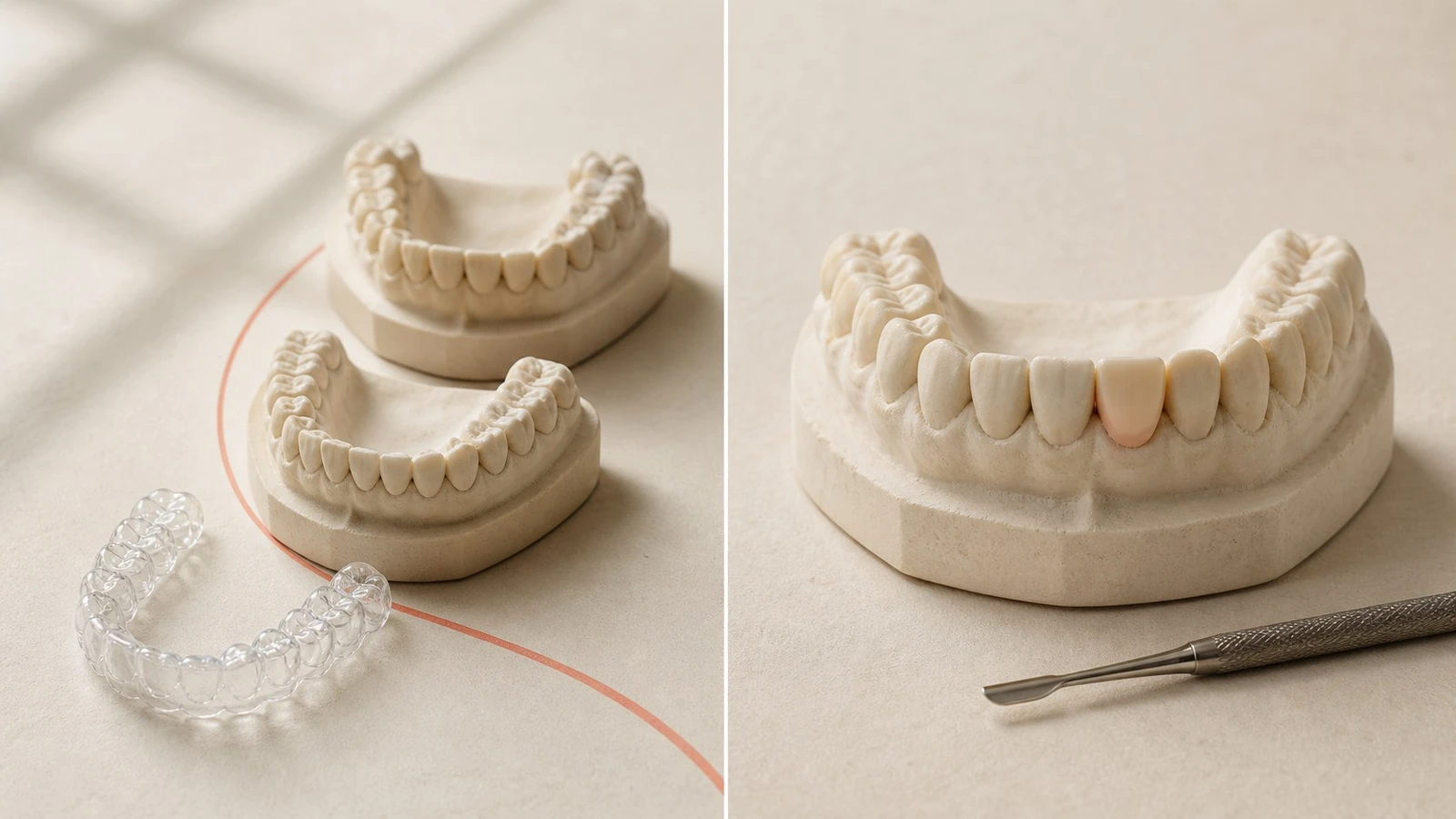
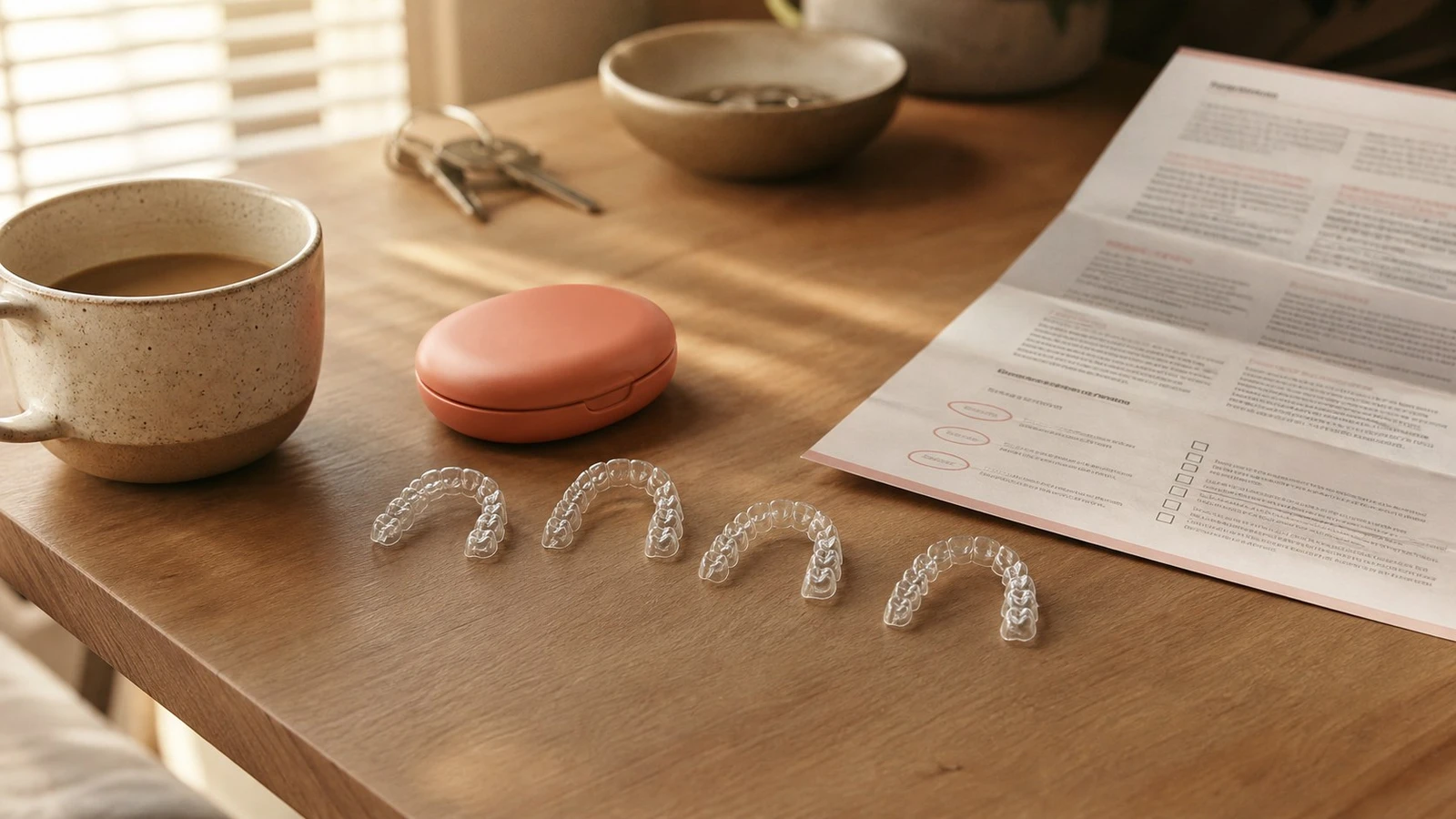
Clear braces for adults can describe two quite different treatments. Tooth-coloured ceramic braces are fixed to the teeth and joined by a wire. Clear aligners are removable plastic trays changed in stages. Invisalign is one brand of clear aligner, not a separate type of treatment. That distinction matters because the right comparison is not simply “visible versus invisible”.

A photograph, price list or brand name cannot show whether either option is suitable for you. A proper assessment considers the health of your teeth and gums, the movements required, how your upper and lower teeth meet, and whether the proposed method can control those movements. It also considers daily life. Aligners depend on consistent wear and removal for eating and cleaning, while fixed braces remain in place.
Oversight matters just as much as the appliance. Smila is an independent UK clear aligner brand, not a dental clinic. Suitable Smila cases are remotely supervised by UK GDC-registered dentists. Properly supervised remote care is not the same as buying trays through an unsupervised mail-order process. The General Dental Council’s statement on remote orthodontic treatment says suitability must be based on a full oral health assessment and that a physical clinical examination is its foundation.
Price should be compared in the same way: across the complete pathway. Ask what the assessment includes, who plans and monitors treatment, whether additional scans or trays may cost extra, how problems are handled, and whether retainers and aftercare are included. Smila’s £200 scan includes a personalised treatment plan that you keep, even if you do not proceed. Treatment starts from £2,000 for suitable cases, with retainers included, but neither a starting price nor a scan promises suitability or a particular result.
Clear aligners, Invisalign and fixed braces compared
“Clear braces” can mean tooth-coloured ceramic brackets or removable plastic aligners. They are different appliances, even though both aim to make treatment less noticeable. Invisalign is one brand of clear aligner, not a separate treatment category. The useful comparison is therefore not “aligners or Invisalign”, but which appliance, treatment plan and level of clinical support fit the assessed problem.
| Feature | Ceramic fixed braces | Clear aligners, including Invisalign | Metal fixed braces |
|---|---|---|---|
| Removal | Fixed to the teeth | Removed for meals and cleaning | Fixed to the teeth |
| Visibility | Tooth-coloured but still noticeable | Usually discreet, though attachments may show | Most visible option |
| Daily responsibility | Careful cleaning and food choices | Consistent wear, removal and cleaning | Careful cleaning and food choices |
| Where greater control may matter | Can support more involved movements | Suitability depends on the assessed movement | Often considered for complex movements |
For some adults, aligners may be an option for mild to moderate irregularity, spacing or crowding. They rely on the wearer using them consistently and following the agreed change and monitoring schedule. Being removable can make eating and brushing simpler, but it also puts more of the daily routine in the wearer’s hands.
The British Orthodontic Society’s clear aligner guidance says additional techniques, including fixed appliances, may be needed for severe crowding, treatment involving extractions, complex tooth movements or problems linked to jaw size or position. That does not make aligners inferior. It means the appliance has to match what needs moving and how much control the clinical team needs.
Fixed braces stay in place, so wear compliance is not the same issue. Ceramic versions are less conspicuous than metal ones, while metal braces may be simpler and more robust in some situations. Both require careful cleaning around brackets and wires, sensible food choices to reduce breakages, and regular appointments for checks and adjustments.
Smila is an independent aligner brand, with treatment supervised remotely by UK GDC-registered dentists. Suitable Smila cases typically involve zero to two in-person appointments, but remote supervision does not mean a physical examination is never needed. The clinical team must have enough information to judge suitability, and some people may need an in-person assessment or a different care route.

Whichever appliance is considered, look beyond the logo on the box. The personalised plan, the clinician responsible, how progress is monitored, access to help, the response if treatment goes off track, and the aftercare offered all matter. A sound comparison starts with assessment, then weighs the full care pathway rather than visibility or headline price alone.
What a transparent treatment quote should include
A starting price is useful, but it is not yet a treatment quote. A meaningful quote should follow an assessment because the total can depend on the complexity of the planned movements, whether one or both arches need treatment, and what clinical support the case requires. Two offers that look similar on a search page may cover quite different things.
Before comparing providers, ask for the total in writing and check whether it covers:
- scans, photographs and other records, plus the personalised treatment plan
- clinical monitoring and any in-person care the clinical team considers necessary
- attachments and interproximal reduction, or IPR, when clinically appropriate
- refinements or additional aligners if the original sequence needs adjusting
- the policy and cost for lost, damaged or replacement aligners
- retainers, follow-up checks and other aftercare
IPR means removing a very small amount of enamel between selected teeth to create space when clinically appropriate.
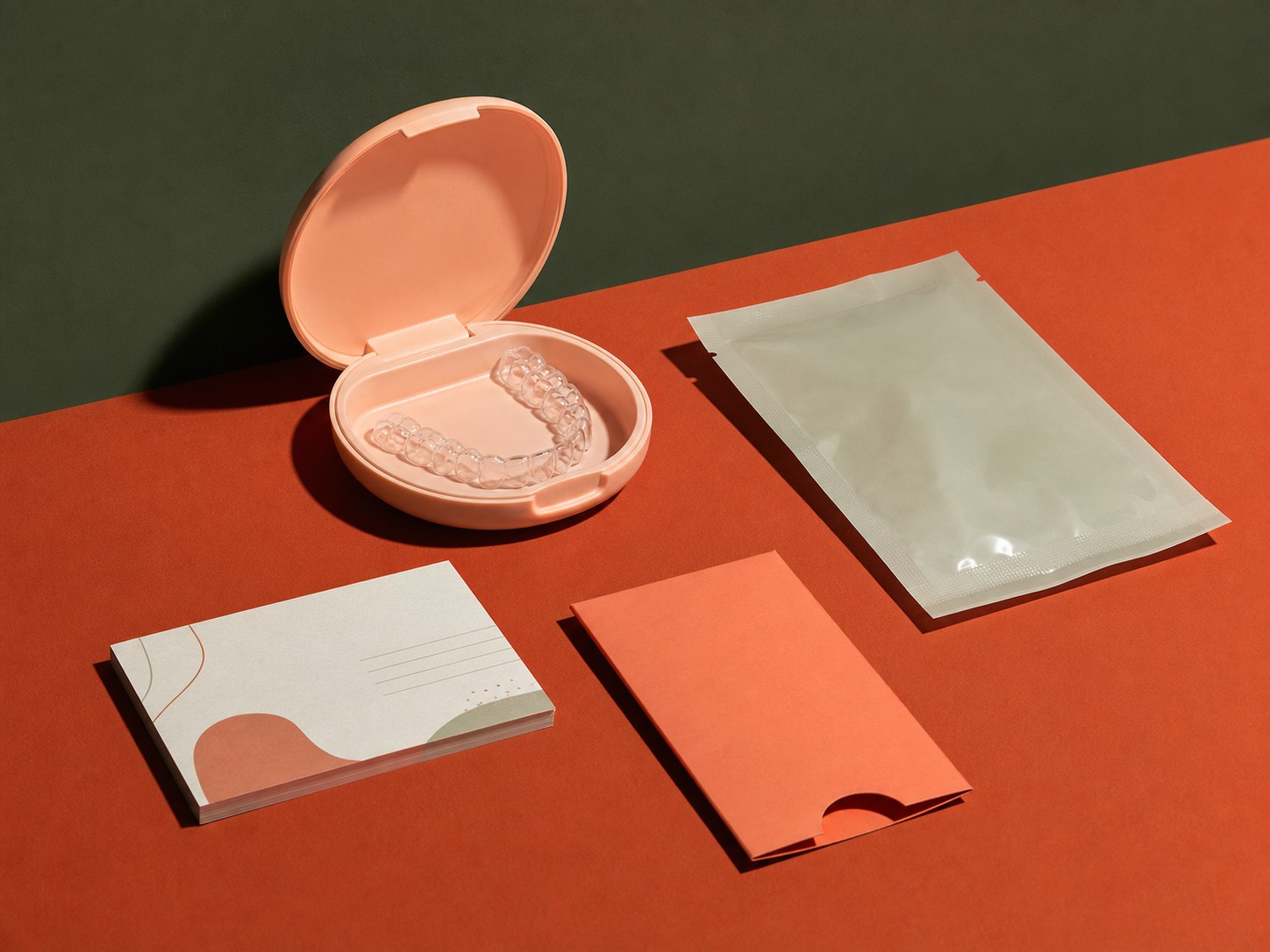
Smila is an independent UK clear aligner brand. Treatment starts from £2,000 for suitable cases. The 3D scan and personalised treatment plan cost £200, and the customer keeps that plan whether or not they proceed. Retainers are included in the treatment price.
Those facts make the starting point clearer, but they do not promise that aligners will be suitable or that every case will cost the minimum. A personalised plan and assessed total can only follow the relevant checks.
A lower advertised price is not necessarily poorer value, and a higher one is not automatically better. Compare the same components, ask what could lead to extra charges, and confirm who provides monitoring and aftercare. Suitability, treatment time and outcomes vary, so a transparent quote should explain the proposed care without promising the result.
When fixed braces or in-person care may make more sense
Clear aligners may be worth assessing when teeth and gums are stable, the proposed movements suit the appliance, and the wearer can follow the daily routine. Clear supervision matters from assessment through monitoring and retention. Age alone does not settle the question. The NHS overview of orthodontic treatment explains that adult treatment can start at any age, good oral health matters, most adult care is private and retainers are needed afterwards.
Fixed braces or in-person specialist care may deserve priority when movements are complex, extractions form part of the plan, or there are significant bite or jaw concerns. Active tooth decay or gum disease needs attention first. Impacted or missing teeth may require closer examination and coordination. Difficulty committing to consistent aligner wear is another practical reason to discuss a fixed option.
Fixed braces remove the wearer-discipline variable because they stay attached. They still require careful cleaning, regular appointments and following advice. The right appliance depends on an assessment, not appearance alone.
Smila is an independent clear aligner brand, not a clinic. It declines roughly one in ten enquiries when aligners are not the right route. A responsible assessment can therefore lead to an aligner plan, a recommendation to seek fixed treatment or specialist input, or a decision to address oral health first.
Before committing, ask:
- Has my oral health been properly assessed?
- Does the plan address my bite as well as visible alignment?
- Can I realistically follow the wear and cleaning routine?
- Who supervises treatment, and are monitoring, retainers and aftercare included?

Clear answers are more useful than choosing by price or visibility alone. This is general information, not individual medical advice. A sensible next step is an assessment with an appropriately qualified dental professional who can explain the reasonable options.